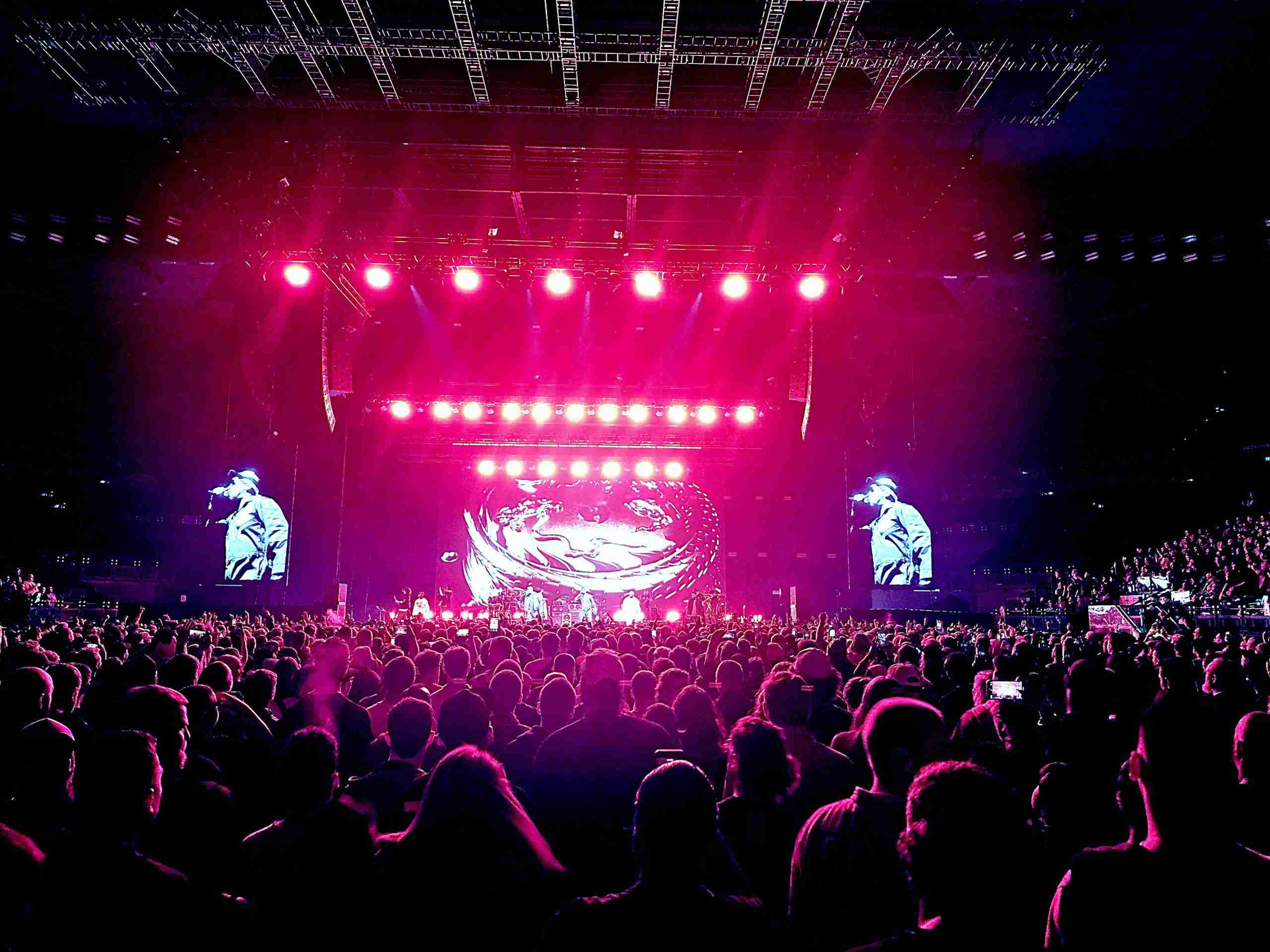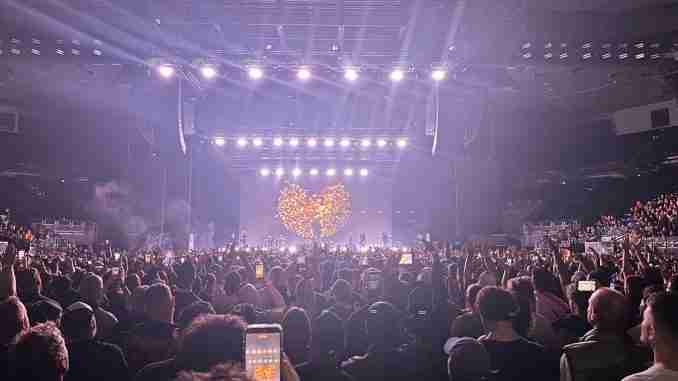

Wu-Tang Clan’s return to Melbourne carried the weight of a farewell—but also the reality of a lineup that looked different to what many had expected.
From the moment the group took the stage, it was clear this wasn’t the full collective. Several familiar figures were missing, and their absence subtly reshaped the performance. Rather than feeling like a complete reunion, the night unfolded as a version of Wu-Tang built around those present—leaner, but still grounded in the group’s core identity.
RZA stood at the centre of it all, not dominating, but guiding—holding the structure together as the set moved between eras and energies. Around him, the remaining members created a shifting rhythm, stepping forward and receding in a way that felt less like a traditional set and more like a live cipher.
Ghostface Killah brought the most urgency, his delivery animated and relentless, pushing momentum forward whenever the pace threatened to drift. GZA, by contrast, offered clarity and control, his verses cutting cleanly through the layered sound. Inspectah Deck, U-God and Masta Killa filled out the performance with a steadier presence, reinforcing the collective dynamic rather than competing for it.
Where the absence of certain members was most noticeable was in the texture of specific tracks. Songs closely tied to individual voices felt slightly altered, with verses redistributed and familiar moments landing differently. It didn’t derail the performance, but it shifted its tone—less about precision, more about continuation.
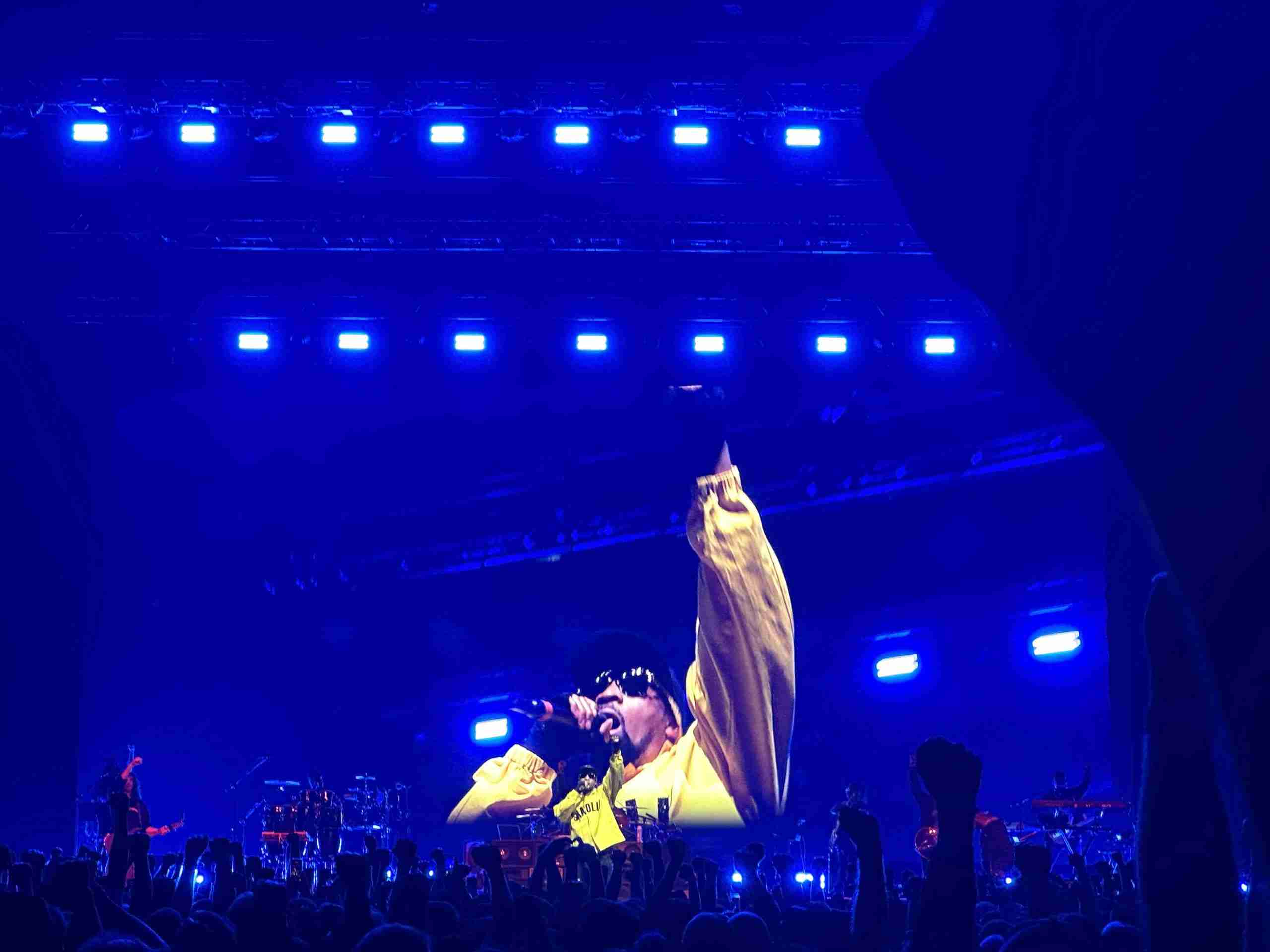
Visually, the show leaned into Wu-Tang’s established aesthetic—archival imagery, sharp lighting shifts, and the ever-present kung fu iconography reinforcing the mythology that has always surrounded the group. A live band added depth, giving the tracks a fuller, more immediate sound, even if the mix occasionally became dense.
The strongest moments came when the crowd took ownership. Tracks like “C.R.E.A.M.” turned into something communal, the audience filling any gaps without hesitation. It was in those moments that the night felt most complete—not because every member was there, but because the connection between the music and the audience remained intact.
As a farewell, it wasn’t perfect. But it didn’t need to be. What unfolded at Rod Laver Arena was something more fluid—a version of Wu-Tang Clan that continues to adapt, even as it looks back.